Holy Day of Obligation
Basic Information and Definition
A holy day of obligation, in the Catholic Church, is a day where the faithful are required, under penalty of sin, to attend Mass. It may seem strict and legalistic, but the obligatory days exist because our first priority in life is to God. A country's bishops determine which days in the calendar become holy days of obligation in their own countries.
Usually, these are universally recognized feasts (like Christmas) or festivals important to the country (for example, the Immaculate Conception of Mary in the USA). Also, each Sunday is a day of obligation.
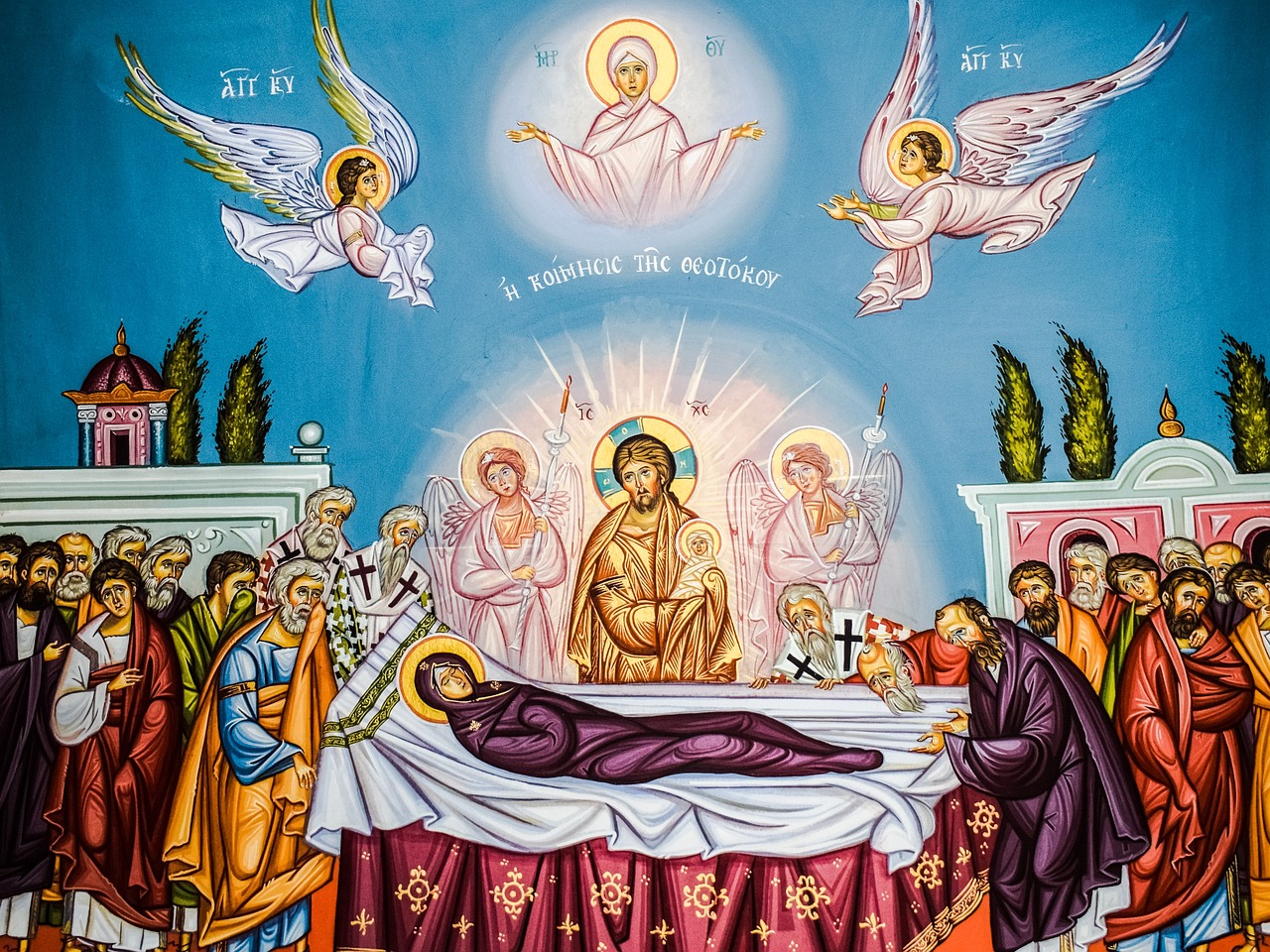
The local episcopal conference, or the bishops of a country, will often transfer a holy day of obligation to the nearest Sunday to make attendance at Mass easier, since every Sunday is also obligatory. Orthodox Churches have special holy days, but don't use the term "holy day of obligation." Protestant communities, with their emphasis on individual salvation, don't typically make any day a person must attend as a rule, but they encourage church attendance.
Although the Catholic Church speaks of sin in reference to missing a holy day of obligation, most theologians prefer to speak of holy days of obligation in more positive terms. In spite of the required attendance, the faithful should want to attend the holy day Mass for the purposes of greater spiritual growth, community cohesion, and worship of God, even if it is an obligation.
The number of holy days of obligation are few. In the universal Church, these days are:
Mary, the Holy Mother of God — January 1
The Epiphany of the Lord — January 6
Feast of Saint Joseph, Spouse of the Blessed Virgin Mary — March 19
The Ascension of the Lord — Thursday of the sixth week of Easter
The Most Holy Body and Blood of Christ (Corpus Christi) — Thursday after Trinity Sunday
Saints Peter and Paul, Apostles — June 29
The Assumption of the Blessed Virgin Mary — August 15
All Saints' Day — November 1
The Immaculate Conception of the Blessed Virgin Mary — December 8
The Nativity of the Lord (Christmas Day) — December 25
The holy days of obligation in the United States, outside of Sundays, are
Mary, the Holy Mother of God — January 1
The Ascension of the Lord — Thursday of the sixth week of Easter
The Assumption of the Blessed Virgin Mary — August 15
All Saints' Day — November 1
The Immaculate Conception of the Blessed Virgin Mary — December 8
The Nativity of the Lord (Christmas Day) — December 25
Some of the above dates may be transferred to the nearest Sunday. When Mary, the Holy Mother of God; the Assumption of the Blessed Virgin Mary; or All Saints' Day fall on a Saturday or on a Monday, the requirement to attend Mass is lifted.
The dates may differ in other regions.
Updated 02-07-2023 by Elizabeth Craig